Comparisons
AI agent, tool and model comparisons
150 data-driven comparisons, including 47 much-searched match-ups (OpenClaw vs Hermes Agent, Claude Code vs Codex, and Cursor vs Claude Code…). Each page compares two solutions criterion by criterion, from verifiable data, and says which to choose for your situation.
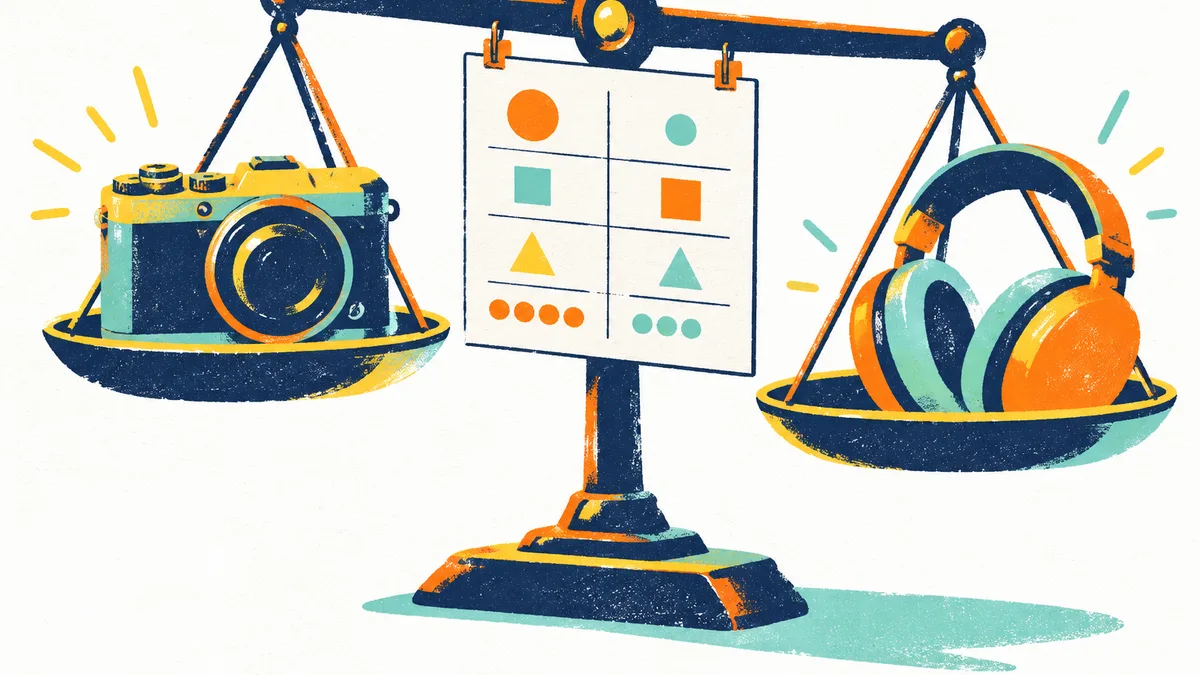
How we compare
Each comparison pits two agents, tools or models from the same family against each other, criterion by criterion: price, licence, self-hosting, project activity, popularity, measured performance where it exists. Figures come from our data pulls (GitHub, vendor sites, OpenRouter, Epoch AI), updated October 25, 2026; verdicts are computed from those figures, then explained by situation (getting started, production, tight budget, sensitive data).
We are not paid by any of the vendors compared and no link is an affiliate link.
AI agents (32)
| Match-up | In one sentence |
|---|---|
| Aider vs Claude Code | Aider and Claude Code address the same need: delegating programming work to an agent that can operate on a repository. |
| Browser Use vs Browser Use WebUI | Browser Use and Browser Use WebUI both let an agent carry out tasks on the web. |
| Claude Code vs Codex | Claude Code and Codex let you delegate development work to an agent that operates on project files and runs commands. |
| Claude Code vs Gemini CLI | Claude Code and Gemini CLI are development agents that can explore a project, change files and execute commands. |
| Cline vs Aider | Cline and Aider address the same practical need: helping you change a code repository through an assistant that can edit files. |
| Codex vs Gemini CLI | Codex and Gemini CLI let you delegate programming work involving project files and command execution. |
| CrewAI vs AutoGen | CrewAI and AutoGen both help you build systems in which multiple agents coordinate their work. |
| CrewAI vs LangGraph | CrewAI and LangGraph help you build agent systems, with Python, MIT licensing and self-hosting listed for both. |
| Dify vs n8n | Dify and n8n both provide visual workflows involving AI and can be self hosted. |
| LangGraph vs AutoGen | LangGraph and AutoGen both provide a programming foundation for agent systems, but they emphasize different aspects of coordination. |
| OpenClaw vs Hermes Agent | OpenClaw and Hermes Agent address the same need: delegating tasks to a personal assistant you can host yourself. |
| OpenClaw vs nanobot | OpenClaw and nanobot are self-hostable personal assistants that use tools and messaging connections to carry out tasks. |
| OpenHands vs Claude Code | OpenHands and Claude Code are development agents that can edit files and run commands to carry out tasks within a project. |
| AnythingLLM vs Cherry Studio | AnythingLLM and Cherry Studio bring multiple models and agent functions into applications you can host yourself. |
| AutoGPT vs Dify | AutoGPT and Dify provide visual environments for building agents and automated workflows. |
| Browser Use vs CloakBrowser | Browser Use and CloakBrowser both support web automation, but they occupy different places in a project. |
| Browser Use vs Invisible Dots | Browser Use and Invisible Dots both automate web interactions, but they start from different technical foundations. |
| CloakBrowser vs Invisible Dots | CloakBrowser and Invisible Dots address the same need: automating web interactions through Playwright and a modified browser. |
| Hermes Agent vs CowAgent | Hermes Agent and CowAgent are personal assistants written in Python, released under the MIT license and available for self-hosting. |
| Hermes Agent vs nanobot | Hermes Agent and nanobot are self-hostable personal assistants written in Python, combining memory, tools and messaging access. |
| LangChain vs Orca | LangChain and Orca both concern agents, but they address different immediate needs. |
| LangChain vs Paperclip | LangChain and Paperclip both support work involving agents, but they operate at different levels. |
| n8n vs AutoGPT | n8n and AutoGPT both support visual automation involving AI agents. |
| n8n vs Langflow | n8n and Langflow both let you build visual workflows involving AI agents. |
| Open WebUI vs AnythingLLM | Open WebUI and AnythingLLM bring model conversations, documents, and tools into a self-hostable interface. |
| Open WebUI vs Cherry Studio | Open WebUI and Cherry Studio address a shared need: bringing conversations with different models into an interface you can host yourself. |
| OpenClaw vs CowAgent | OpenClaw and CowAgent are personal assistants released as open source under the MIT license, with self-hosting available for both. |
| OpenCode vs Claude Code | OpenCode and Claude Code address the same need: delegating part of your development work to an agent that can inspect files, change code and run commands. |
| OpenCode vs Codex | OpenCode and Codex both let you delegate programming work to an agent that operates on project files and runs commands. |
| OpenCode vs Gemini CLI | OpenCode and Gemini CLI both act inside software projects: they can explore files, modify code and execute commands. |
| Paperclip vs Orca | Paperclip and Orca both help you coordinate multiple agents and keep track of their work. |
| UI-TARS Desktop vs Cua | UI-TARS Desktop and Cua both concern agents that operate computers, but their roles differ. |
Language models (9)
| Match-up | In one sentence |
|---|---|
| Claude Opus 5.5 vs Gemini 4 Argon | Claude Opus 5.5 and Gemini 4 Argon both support long inputs, reasoning and tool calling. |
| Claude Opus 5.5 vs GPT-6.1 Sol | Claude Opus 5.5 and GPT-6.1 Sol address similar needs: working with text, images and files, reasoning, and calling tools across long contexts. |
| Claude Sonnet 5.5 vs Gemini 3.8 Flash | Claude Sonnet 5.5 and Gemini 3.8 Flash both handle long inputs, support reasoning and can call tools. |
| DeepSeek V4.1 Flash vs GPT-6.1 Sol | DeepSeek V4.1 Flash and GPT-6.1 Sol both provide large context windows, reasoning and tool calling. |
| Gemini 4 Argon vs GPT-6.1 Sol | Gemini 4 Argon and GPT-6.1 Sol both offer reasoning, tool calling and context windows around one million tokens at the same listed token prices. |
| Mistral Large 4 vs GPT-6.1 Sol | Mistral Large 4 and GPT-6.1 Sol address the same broad requirement: working through long inputs, reasoning and calling tools within AI applications. |
| Claude Opus 5.5 vs GPT-6 Astra | Claude Opus 5.5 and GPT-6 Astra share a broad purpose: handling long inputs, reasoning and calling tools while accepting text, images and files. |
| Claude Opus 5.5 vs Muse Wonder | Claude Opus 5.5 and Muse Wonder both address work involving long inputs, reasoning and tool calls. |
| GPT-6 Astra vs Gemini 4 Argon | GPT-6 Astra and Gemini 4 Argon both support very long contexts, reasoning and tool calls. |
AI tools (109)
| Match-up | In one sentence |
|---|---|
| Bolt vs v0 | Bolt and v0 help you turn instructions into an application, preview the result and recover the code. |
| ChatGPT vs Claude | ChatGPT and Claude both support writing, analysis and web research. |
| Claude vs Gemini | Claude and Gemini both help with writing, code and web research. |
| Cursor vs Claude Code | Cursor and Claude Code both help you understand a project and change multiple files from a request. |
| DeepSeek vs ChatGPT | DeepSeek and ChatGPT both offer help with writing, questions and document work. |
| DeepSeek vs Claude | DeepSeek and Claude both provide conversational help with writing, documents and code. |
| Devin vs Claude Code | Devin and Claude Code both help you change software, covering code edits, testing and error correction. |
| Gemini vs ChatGPT | Gemini and ChatGPT share several everyday uses, including writing, web research and image creation. |
| GitHub Copilot vs Claude Code | GitHub Copilot and Claude Code both support software development, but emphasize different parts of the work. |
| GitHub Copilot vs Cursor | GitHub Copilot and Cursor both help you understand and change code, with options to delegate work to an agent. |
| Grok vs ChatGPT | Grok and ChatGPT address a shared need: an assistant you can use to find information, examine documents and discuss questions in everyday language. |
| Jasper vs Copy.ai | Jasper and Copy.ai both help produce marketing content and adapt it to a brand’s tone. |
| Lovable vs Bolt | Lovable and Bolt let you create an application from a written description through a web interface. |
| Lovable vs v0 | Lovable and v0 turn instructions into applications and let you recover the resulting source code. |
| Make vs Zapier | Make and Zapier connect applications, trigger actions and bring AI agents into automated workflows. |
| Microsoft Copilot vs ChatGPT | Microsoft Copilot and ChatGPT both offer a general assistant with free access for finding information and working with content. |
| Midjourney vs Ideogram | Midjourney and Ideogram both create images from descriptions, but their supporting features suggest different workflows. |
| Midjourney vs Leonardo.Ai | Midjourney and Leonardo.Ai both generate images from descriptions and offer ways to work on existing visuals. |
| Midjourney vs Stable Diffusion | Midjourney and Stable Diffusion both create images from text and provide ways to modify visuals. |
| Mistral Vibe vs ChatGPT | Mistral Vibe and ChatGPT both support writing, research and document work. |
| Mistral Vibe vs Claude | Mistral Vibe and Claude combine writing, research and document work in general-purpose chatbots. |
| n8n vs Make | n8n and Make connect applications, trigger actions and transform data through visual workflows. |
| n8n vs Zapier | n8n and Zapier connect applications and automate sequences of tasks, including work involving AI agents. |
| Otter.ai vs Fireflies.ai | Otter.ai and Fireflies.ai both turn meetings into information you can revisit through transcripts, summaries and search. |
| Qwen vs DeepSeek | Qwen and DeepSeek both offer free conversational access for questions, document work and coding assistance. |
| Replit vs Lovable | Replit and Lovable both let you create an application from written instructions. |
| Runway vs Kling AI | Runway and Kling AI both generate video from text and animate images. |
| Suno vs Udio | Suno and Udio both turn descriptions into songs and let you use audio excerpts as part of the creative process. |
| AITable.ai vs Vanna | AITable.ai and Vanna both help you work with data, but they start from different needs. |
| AITable.ai vs Wren AI | AITable.ai and Wren AI both support work with data, but they start from different needs. |
| AssemblyAI vs Wispr Flow | AssemblyAI and Wispr Flow both turn speech into text, but they serve different starting points. |
| CapCut vs HyperFrames | CapCut and HyperFrames both produce video, but they start from different working methods. |
| Chatfuel vs Chat Data | Chatfuel and Chat Data automate parts of customer and prospect conversations, but their listed features emphasise different jobs. |
| Chatfuel vs Tiledesk | Chatfuel and Tiledesk both automate customer conversations, but their listed features emphasize different workflows. |
| Clipdrop vs Magic Eraser | Clipdrop and Magic Eraser both remove unwanted elements from photographs. |
| Clipdrop vs remove.bg | Clipdrop and remove.bg both remove image backgrounds, but their documented scope differs. |
| Codex vs Amazon Q Developer | Codex and Amazon Q Developer both support software development, including writing code and addressing errors. |
| Consensus vs genei | Consensus and genei support research work, but they begin with different activities. |
| Consensus vs SciSpace | Consensus and SciSpace support scientific research, from finding publications to using their findings. |
| Cursor vs Amazon Q Developer | Cursor and Amazon Q Developer both assist with code, but their listed functions emphasise different tasks. |
| Cursor vs Codex | Cursor and Codex both aim to handle parts of software development through an AI assistant. |
| Descript vs CapCut | Descript and CapCut both help you edit video, but they emphasise different ways of working. |
| Descript vs HyperFrames | Descript and HyperFrames both support video production, but they begin with different material. |
| Dify vs BrainSoup | Dify and BrainSoup both help you build AI agents, but they place the work in different settings. |
| Dify vs OpenClaw | Dify and OpenClaw both put AI agents to practical use, but they start from different user needs. |
| ElevenLabs vs Murf AI | ElevenLabs and Murf AI both help you turn written material into spoken content and adapt it for different languages. |
| ElevenLabs vs Speech Studio | ElevenLabs and Speech Studio both turn text into speech and transcribe recordings. |
| Gemini platform (Vertex AI) vs IBM Watson | Gemini platform, formerly Vertex AI, and IBM Watson both cover several stages of an artificial intelligence project, including training and deployment. |
| Gemini vs Kimi | Gemini and Kimi both offer conversation, web search and coding assistance, but their documented workflows emphasize different outputs. |
| Gemini vs Poe | Gemini and Poe both provide conversational AI on the web and on mobile devices. |
| Hugging Face vs Microsoft Foundry | Hugging Face and Microsoft Foundry both provide web and API routes for working with AI models. |
| Hugging Face vs OpenRouter | Hugging Face and OpenRouter both provide model access through an API, but they support different workflows. |
| Ideogram vs Bing Image Creator | Ideogram and Bing Image Creator both turn written descriptions into images and provide ways to alter existing visuals. |
| Ideogram vs Stable Diffusion | Ideogram and Stable Diffusion both generate images from text, but the supplied offerings point toward different workflows. |
| Jenni vs HyperWrite | Jenni and HyperWrite support drafting through text completion, rephrasing, and references. |
| LALAL.AI vs Cleanvoice AI | LALAL.AI and Cleanvoice AI both help make audio recordings easier to use, but they approach that goal differently. |
| Langfuse vs Arize Phoenix | Langfuse and Arize Phoenix help you inspect agent behavior and evaluate responses. |
| Langfuse vs LangSmith | Langfuse and LangSmith help you understand applications and agents built around language models. |
| LangSmith vs Arize Phoenix | LangSmith and Arize Phoenix help you inspect agent execution and compare results through testing. |
| LlamaIndex vs Agentset | LlamaIndex and Agentset both help connect language models to documents, combining retrieval with answers linked to sources. |
| LlamaIndex vs Pinecone | LlamaIndex and Pinecone can both support an assistant that answers questions using documents, but they address different parts of that task. |
| LM Studio vs Ollama | LM Studio and Ollama both let you run language models on your own computer without paying for local execution. |
| LM Studio vs PyGPT | LM Studio and PyGPT let you work with language models from a computer, including conversations and questions about your files. |
| LMQL vs Mintlify | LMQL and Mintlify share a developer tools category, but they address substantially different needs. |
| LMQL vs PromptBase | LMQL and PromptBase both help you work with instructions for language models, but they address different parts of that work. |
| Luma Dream Machine vs Pictory | Luma Dream Machine and Pictory both help you produce video, but they begin with different kinds of input and intent. |
| Manus vs Google Workspace with Gemini | Manus and Google Workspace with Gemini both support everyday work, but they operate across different tasks. |
| Manus vs Microsoft 365 Copilot | Manus and Microsoft 365 Copilot both address productivity, but they start from different working environments. |
| Mintlify vs PromptBase | Mintlify and PromptBase share a developer tools category, but their immediate purposes differ. |
| Murf AI vs Speech Studio | Murf AI and Speech Studio both generate speech from text and provide ways to adjust the voice. |
| Napkin AI vs Canva | Napkin AI and Canva both help you create visual materials, including presentations, but they start from different inputs. |
| Napkin AI vs Microsoft Designer | Napkin AI and Microsoft Designer both help you create visual material, but they start from different needs. |
| Nekton vs AI-Flow | Nekton and AI-Flow both let you build automated scenarios, but they emphasize different work. |
| NuExtract vs Gemini Notebook | NuExtract and Gemini Notebook both help you work with documents, but their intended outputs differ. |
| Obsidian vs Open Notebook | Obsidian and Open Notebook both help you build a knowledge collection and both specify local hosting. |
| Ollama vs PyGPT | Ollama and PyGPT both provide ways to work with local or remote models, but their roles differ. |
| OpenClaw vs BrainSoup | OpenClaw and BrainSoup both let you organize work around AI agents, but they offer different starting points. |
| OpenRouter vs Microsoft Foundry | OpenRouter and Microsoft Foundry both offer web and API access for working with AI models. |
| Otter.ai vs Read AI | Otter.ai and Read AI help you turn meetings into material you can search and review through transcription and summaries. |
| Otter.ai vs Sybill | Otter.ai and Sybill both aim to make meetings useful after the conversation ends. |
| Poe vs Kimi | Poe and Kimi both provide conversational AI, but they organize the experience around different needs. |
| Quillbot vs editGPT | Quillbot and editGPT both provide correction and rewriting tools, with a free offer available from each. |
| Recall vs Obsidian | Recall and Obsidian both help organise knowledge and connect information, but they begin with different kinds of work. |
| Recall vs Open Notebook | Recall and Open Notebook help you organize source material, summarize content and retrieve knowledge through conversation. |
| remove.bg vs Magic Eraser | remove.bg and Magic Eraser both simplify photo editing, but they address different changes to an image. |
| Riverside vs Cleanvoice AI | Riverside and Cleanvoice AI both support audio production, with noise reduction and transcription among their listed features. |
| Riverside vs LALAL.AI | Riverside and LALAL.AI share an audio and podcast category, but they address different stages of production. |
| Runway vs Luma Dream Machine | Runway and Luma Dream Machine create videos from text and animate images. |
| Runway vs Pictory | Runway and Pictory both help you produce video, but they start from different kinds of work. |
| Rytr vs HyperWrite | Rytr and HyperWrite both help you draft and rephrase text, and both provide a free offer. |
| Rytr vs Jenni | Rytr and Jenni both support writing, but their listed features point to different working contexts. |
| SciSpace vs genei | SciSpace and genei help you use documents in research, but they organize that work differently. |
| Stable Diffusion vs Bing Image Creator | Stable Diffusion and Bing Image Creator both generate images from text and support changes to existing visuals. |
| Suno vs AIVA | Suno and AIVA both help you create music with AI, but their listed capabilities suggest different starting points. |
| Sybill vs Read AI | Sybill and Read AI help you turn meetings into records you can revisit and actions you can follow. |
| Synthesia vs AI Studios | Synthesia and AI Studios both create videos with virtual presenters and support working from written content. |
| Synthesia vs D-ID | Synthesia and D-ID both support avatar video creation and workflows that start with text. |
| Taskade vs Bolt | Taskade and Bolt both turn written instructions into applications, but they place that capability in different settings. |
| Taskade vs Lovable | Taskade and Lovable both create applications from written instructions, but they organize that work differently. |
| Tiledesk vs Chat Data | Tiledesk and Chat Data both support customer replies based on company information and can hand conversations to a person. |
| Udio vs AIVA | Udio and AIVA both use AI to help you create music, but they point toward different working habits. |
| Unsloth vs Gemini platform (Vertex AI) | Unsloth and Gemini platform, formerly Vertex AI, both support work with artificial intelligence models, but they offer different working environments. |
| Unsloth vs IBM Watson | Unsloth and IBM Watson both support work with artificial intelligence models, but they organise that work differently. |
| Whisper vs AssemblyAI | Whisper and AssemblyAI both convert speech into text, but their operating models and stated functions differ. |
| Whisper vs Wispr Flow | Whisper and Wispr Flow both turn speech into text, but they serve different points in a workflow. |
| Wordtune vs editGPT | Wordtune and editGPT both help you revise text, but they organize that work around different priorities. |
| Wordtune vs Quillbot | Wordtune and Quillbot both offer free access to tools for correcting and rephrasing text. |
| Wren AI vs Vanna | Wren AI and Vanna both let you ask questions of databases and work with SQL-generated results. |
| You.com vs Exa | You.com and Exa help you search the web, extract page content and obtain answers with sources. |
Directories
Frequently asked questions
Are the comparisons sponsored?
No. No vendor pays to appear or win a match-up, and the site has no affiliate links. Criteria and formulas are published on the methodology page.
How often are they updated?
Figures (prices, stars, releases, scores) are pulled every week and the tables are recomputed at each update. The date of the last pull is shown at the top of each comparison.
I can't find the match-up I want: what now?
The detailed agent, tool and model profiles use the same criteria: open both profiles side by side, or use the Lab's benchmark comparator for models.
Related articles
- Creating videos with AI: what works todayOctober 10, 2026
- Generating images with AI: tools, pricing, and limitationsOctober 9, 2026
- How to use NotebookLM: a complete guideOctober 8, 2026
- Free ChatGPT alternatives: what they actually offerOctober 7, 2026
Neutrality. No affiliate links. No vendor pays to be reviewed, rated or ranked. Reviews are directed by François Chollet, neutral and factual, and every data point is dated and sourced. How we score